
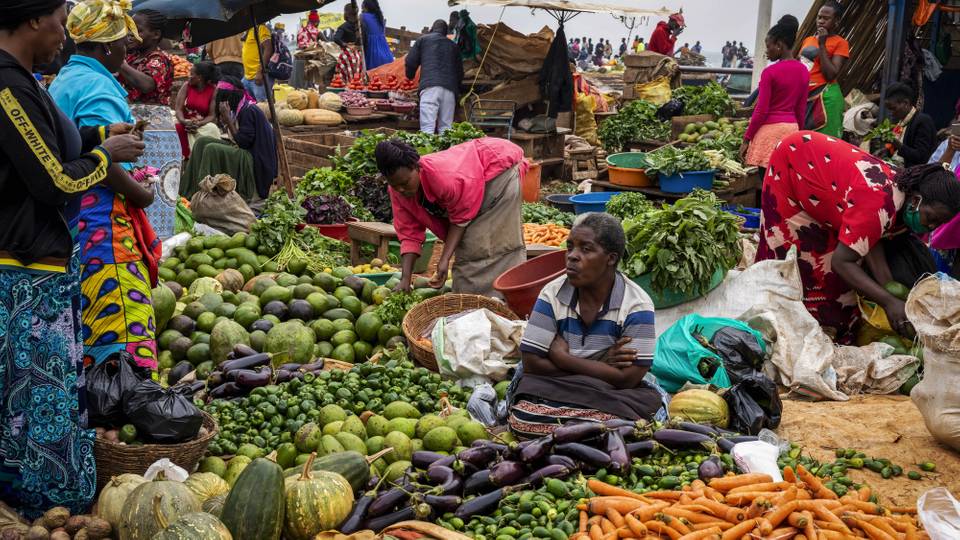
City authorities should start deliberately setting aside land for food production. They should also enter into production agreements with farmers and provide assured markets for the crops grown. By Wilma S. Nchito Reports of food deficits being experienced in Africa because of wars in other parts of the world are quite disturbing. African cities host large populations and it is projected that by 2026 approximately 722 million people will live in urban areas on the continent. Cities on the continent continue face major challenges in the current century and beyond. Among them will be critical water and food shortages which will affect urban populations. As urbanisation increases globally, with 50% of Africa’s population currently living in cities where they will endure high food prices and negative impacts of climate change, cities will need to have plans in place for food security. Countries with food surpluses have to deal with stringent bureaucracies and barriers created by international laws resulting in fragmented markets and food wastage. Weak linkages and regional integration have not allowed food supplies to move with ease from areas with surplus to those with deficits despite countries sharing borders and being in close proximity. In 2020 it was estimated that 281.6 million people on the continent (20%) faced hunger with a large proportion of these being based in the continent’s cities. Several regional agreements are not being implemented and there are continued delays in getting food across borders meanwhile climate change is causing further stress on the food systems. African cities must urgently find ways of organizing urban food systems in order to make them more efficient and effective. Historically, Africa has at least 30,000 species of edible plants with many being traditionally cultivated but these have not been the focus of agricultural policy and practice. These traditional foods could be used to reduce food deficits into cities. Cities must rise to the challenge The absence of mechanisms and mandates that allow the detection of the areas of deficit create a situation where some parts of the city will have surplus whilst others are food deserts. The question is, who governs the movements of food from where it is produced to areas of consumption and finally to the individual consumers? Lack of governance in the food sector has allowed the space to be occupied by both formal and informal actors interested in maximizing their profits. Informal actors vary, but mostly include farmers, brokers, middlemen, and market traders who do not have formalized structures but control the trade in food products. The formal actors are the commercial farmers, wholesale fresh food markets, international supermarkets, and millers who also exert control over food in cities. The formal and informal players interact at times but their activities service different sectors of the city. City food systems have not received adequate attention from city authorities and central government alike because policies are separated on the rural and urban lines. Food in cities only becomes an issue when critical shortages or surpluses arise. City dwellers complain when the price of the staple foods increase and this has even led to food riots in some countries. To facilitate urban agriculture, city authorities need to set aside land for food production. /Photo: AA Getting food into cities is often not assigned to any specific agency since food production is normally approached and managed from regional and national levels and not city levels. The consumption at the city level is usually factored in as producers seek to meet demand, however, in Third World cities the linkages and interactions between supply and demand are rarely governed and apart from the availability and cost of the staple foods there are very few structures at the city level that govern the urban food system from ‘farm to fork’. The urban food sector is thus left to its own devices as individual actors seek to navigate the unpredictable continuum. The various actors in the city region along the food value chain are not organized to maximize efficiency and reduce wastage. City Agricultural Regions The farmland around most African cities is quickly being overrun by urban sprawl making the distance food must be transported over larger and increasing the cost. The market gardening that has historically taken place in and around cities has contributed to the urban food systems but the land has not been protected by local authorities. The same applies to spaces for urban agriculture. City growth and expansion have encouraged farmers in the surrounding districts to grow food for the city. City authorities should start deliberately setting aside land for food production. They should also enter into production agreements with farmers and provide assured markets for the crops grown. This will include stringent measures to protect green belts and wetlands within city regions. Considering the rise in temperatures and increased dry spells and flooding, these actions should be embarked on urgently to avoid future food deficits and the unrest that they cause in our cities. There must be a shift from the heavy reliance on global food systems to reliance on locally produced food. Professor Wilma S. S. Nchito is an urban Geographer who has studied the contemporary patterns and material aspects of Zambia’s urbanization. Disclaimer: The views expressed by the author do not necessarily reflect the opinions, viewpoints and editorial policies of TRT Afrika. ➤ Click here to follow our WhatsApp channel for more stories.
News archive
This section shows archived news with its original publication dates. The article is displayed in its original language.
The challenges and prospects of creating food-secure cities in Africa
City authorities should start deliberately setting aside land for food production. They should also enter into production agreements with farmers and provide assured markets for the crops grown. By Wilma S. Nchito Reports of food deficits being experienced in Africa because of wars in other parts...
At a glance
City authorities should start deliberately setting aside land for food production. They should also enter into production agreements with farmers and provide assured markets for the crops grown. By Wilma S. Nchito Reports of food deficits being experienced in Africa because of wars in other parts...